

Grease Trap Overflows in Los Angeles Restaurants- Causes, Warning Signs, Risks, and Prevention Tips for Food Businesses
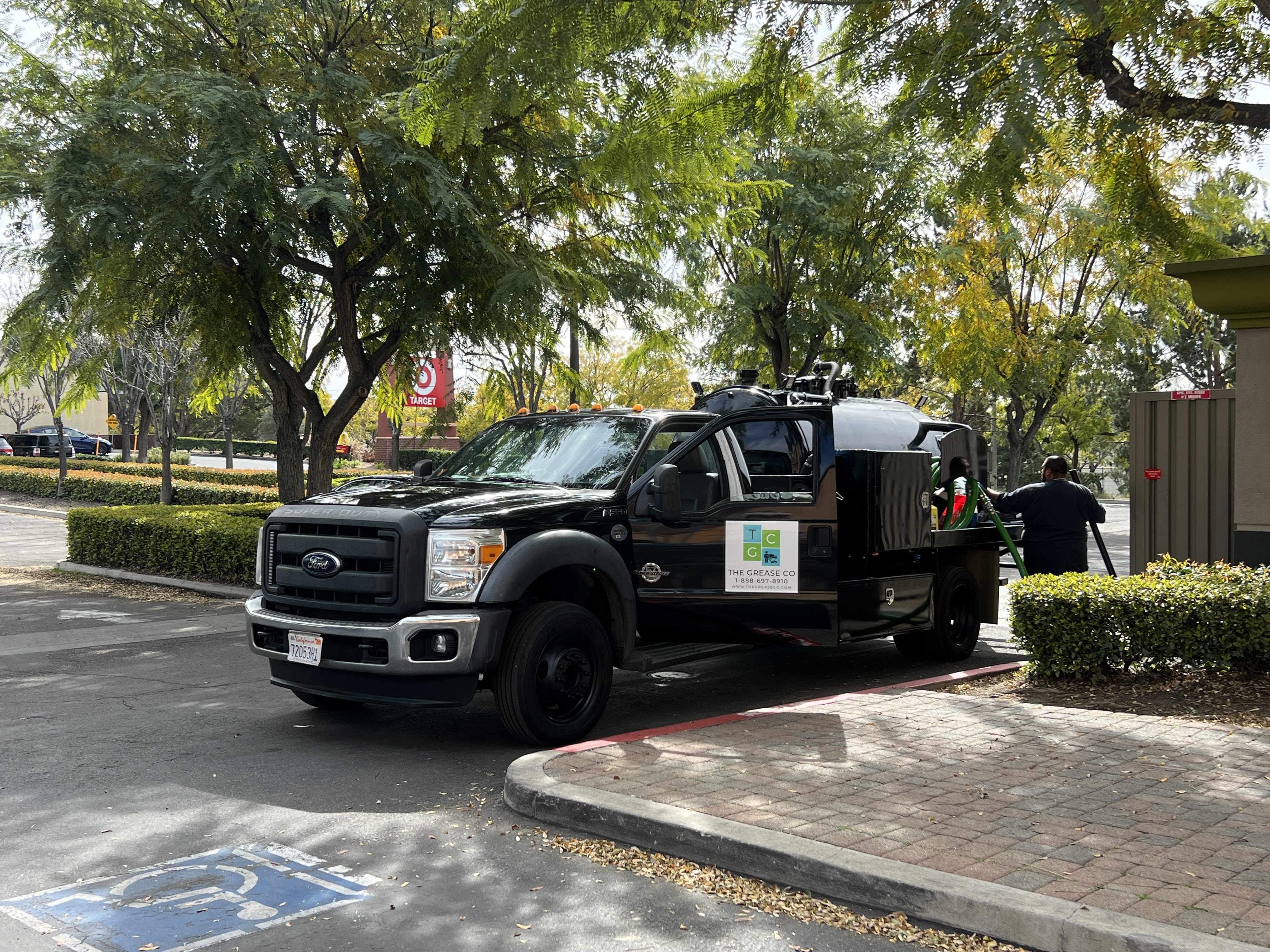
Los Angeles Grease Co. service truck supporting commercial restaurant grease management across Los Angeles.
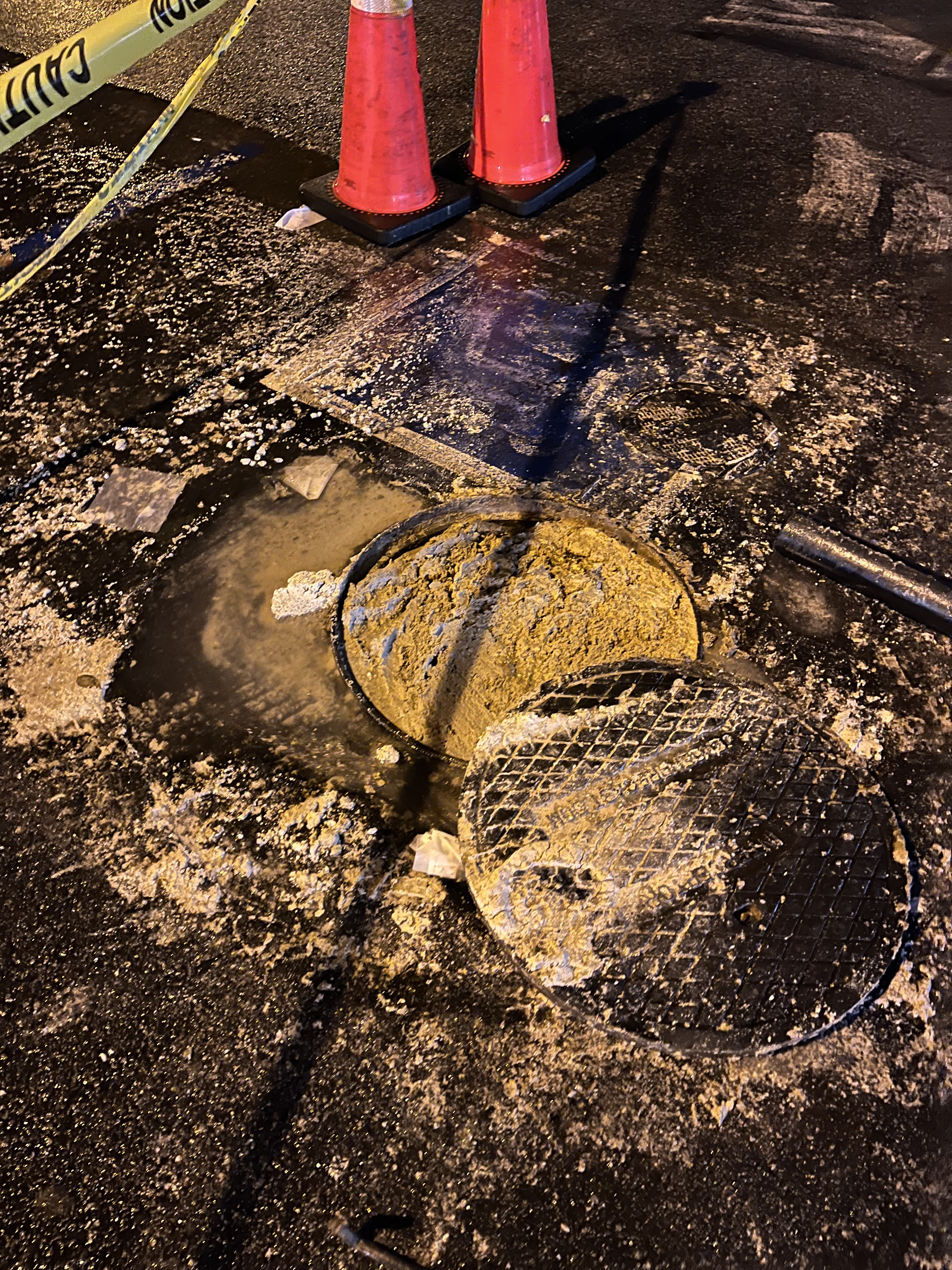
Indoor grease trap overflow showing accumulated FOG requiring prompt professional attention.
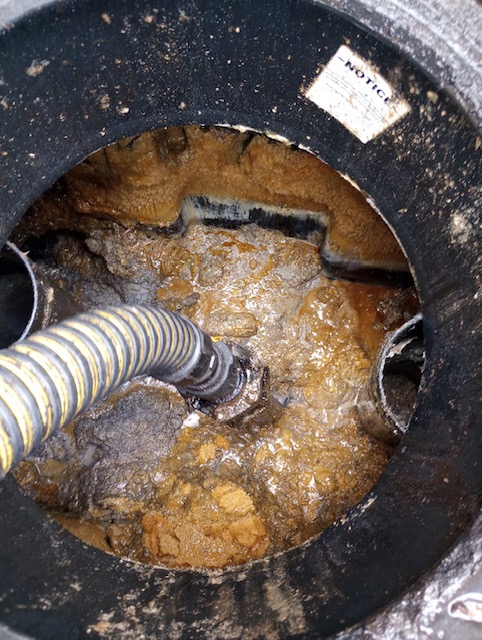
Professional grease trap cleaning underway to remove accumulated FOG and restore proper operation.
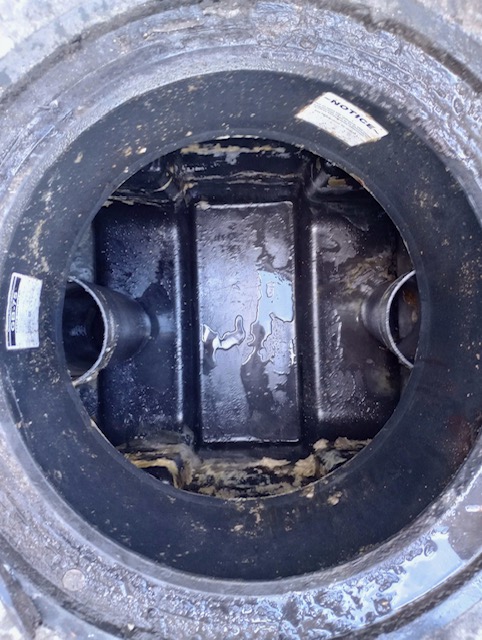
Clean grease trap after professional pumping at a Los Angeles restaurant
Overflows in restaurant kitchens can develop for several reasons, with excessive accumulation of FOG waste being one of the most common. As fats, oils, grease, and food solids collect inside a trap or interceptor, they gradually reduce the space available for incoming wastewater. Heavy commercial kitchen activity can accelerate this grease buildup, particularly when a restaurant produces large volumes of greasy wastewater every day. Missed or delayed pumping schedule, inadequate cleaning, damaged baffles, blocked inlet or outlet lines, and improperly sized equipment can also contribute to overflow conditions. Restaurants should also remember that used fryer oil is different from wastewater containing FOG. Spent cooking oil should be collected separately in suitable containers and should never be intentionally poured into sinks or floor drains.
So, what actually happens inside a grease trap or a grease interceptor before an overflow occurs? Inside a grease recovery device wastewater is slowed so that heavier food particles and solids can settle while lighter fats, oils, and grease rise toward the surface. This separation allows the retained materials to remain inside the grease-handling system while wastewater continues through the drainage line. With continued kitchen activity, the layers of accumulated grease and solids gradually become thicker and reduce the available holding capacity. If the material is not removed through scheduled service, incoming wastewater has less space to separate properly. Excessive buildup can also interfere with internal components and restrict normal flow through the system. Eventually, wastewater may move through the trap less effectively, allowing grease or solids to pass farther downstream. If the restriction becomes severe enough, wastewater can back up into the cooking areas, grease spill from access points, or around the dining area.
Grease trap overflows often show warning signs before the situation becomes an emergency. Restaurant managers and kitchen staff should pay attention to unusually slow drains, recurring backups, persistent grease-related odors, gurgling sounds, or wastewater that appears around grease trap or interceptor access points. Visible accumulation around covers or nearby areas can also indicate that the system needs attention. Repeated plumbing problems may be another indication that grease or solids are building up beyond normal levels. These signs should not simply be treated as isolated drainage issues, particularly in high-volume commercial kitchens. Early grease trap inspection can help determine whether the problem is related to grease accumulation, a blockage, damaged component that requires grease trap repair, or another condition affecting the system. Addressing these warning signs before wastewater reaches an overflow point can allow maintenance to be scheduled before the restaurant faces an emergency.
Los Angeles restaurants can reduce grease overflow risks by combining proper kitchen practices with regular maintenance. Food scraps and excess grease should be scraped from plates, pans, and cookware before washing, while drain screens can help keep solid debris out of plumbing. Greasy equipment can also be wiped with absorbent materials before rinsing. In busy Los Angeles kitchens, where commercial cooking continues throughout the day, grease traps may receive large volumes of wastewater and FOG within a short period. A local grease management professional explained, “Grease overflows are happening around the year when busy kitchens generate FOG faster than traps can hold it. Regular grease trap cleaning helps prevent buildup from becoming an emergency.” Used fryer oil should be collected separately rather than poured into sinks or floor drains. Restaurant managers across Los Angeles should maintain a consistent grease trap and interceptor service schedule based on kitchen volume and the rate of grease accumulation. Staff should also understand basic FOG-handling procedures and know how to report slow drainage, unusual odors, or other warning signs. These practices can help restaurants in Long Beach, Glendale, Pasadena, Hollywood, and other Los Angeles communities reduce unnecessary FOG entering their drains and maintain more consistent cooking operations.
Working with a professional grease management company gives Los Angeles restaurants a reliable consistency for handling grease traps, interceptors, and used cooking oil collection requirements. Scheduled inspections and pumping can help remove accumulated FOG and solids before they significantly reduce the system's available capacity. Professional technicians can also identify damaged baffles, leaks, blockages, deteriorated components, or other conditions that may contribute to recurring problems. When an unexpected overflow occurs, emergency inspection and maintenance can help restore normal operation and identify the issue behind the incident. A grease trap overflow can begin with something as simple as accumulated FOG, delayed maintenance, or a drainage restriction, but the resulting disruption can affect an entire commercial kitchen. Los Angeles restaurants can reduce these risks by monitoring their grease-handling systems, maintaining appropriate cleaning schedules, keeping food solids and excess grease out of drains, and collecting used fryer oil separately. Regular inspection can also identify equipment problems before they develop into more serious drainage issues. For restaurants operating in a fast-paced food-service environment, proactive grease management provides a practical way to protect daily kitchen operations while maintaining better control over fats, oils, grease, and wastewater.
Manager
Los Angeles Grease Company
webmaster@thegreasecompany.com
Visit us on social media:
Instagram
Facebook
YouTube
Legal Disclaimer:
EIN Presswire provides this news content "as is" without warranty of any kind. We do not accept any responsibility or liability for the accuracy, content, images, videos, licenses, completeness, legality, or reliability of the information contained in this article. If you have any complaints or copyright issues related to this article, kindly contact the author above.
